
Insights
When Is It Time to Re-Engineer Your Fulfillment Center?
January 26, 2026
Recognizing Structural Instability
Fulfillment operations rarely fail suddenly. Instability builds gradually — hidden beneath incremental growth and temporary fixes. Volume increases, labor is added, automation is layered in, and workflows stretch beyond their original design.
Eventually, variability becomes systemic.
Throughput fluctuates. Labor cost per unit rises. Peak periods create operational stress. At this stage, incremental improvements are no longer sufficient — structural redesign is required.
Identifying Early Warning Signals
Operational leaders should monitor for:
Rising cost per order
As volume increases, unit economics should improve. If cost rises instead, flow architecture may be misaligned.
Peak performance breakdowns
If service levels collapse during predictable demand spikes, capacity modeling and slotting discipline are likely insufficient.
Excess travel and congestion
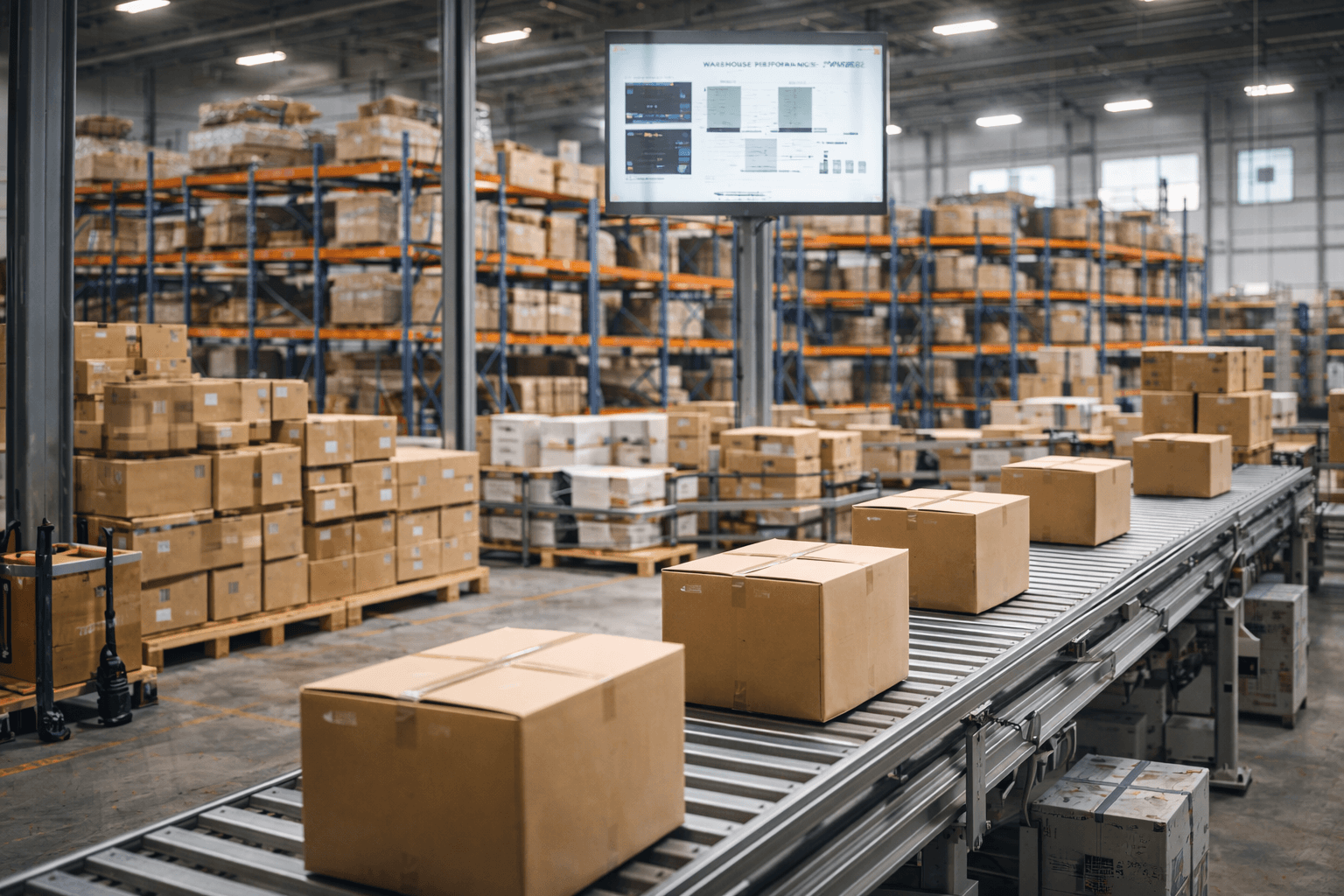
Cross-traffic, long pick paths, and workstation imbalance indicate structural inefficiency.
Automation without measurable ROI
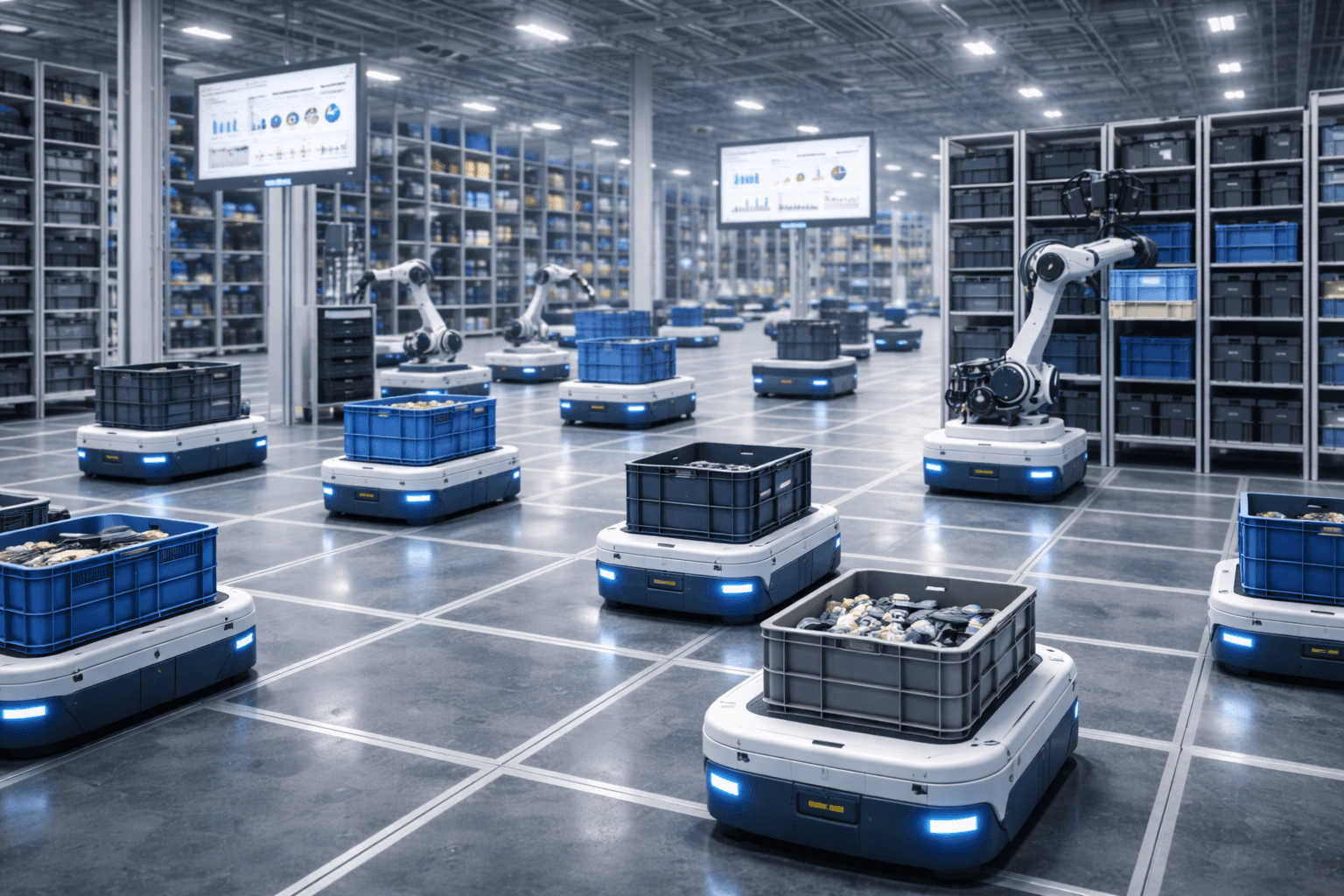
Adding robotics to unstable processes often increases complexity rather than stability.
AI-enabled diagnostics can accelerate these assessments. By analyzing SKU velocity, dwell time, and movement patterns, AI models help identify constraint zones quickly and objectively.
Designing for Stability Before Scale
Re-engineering requires:
• Order profile segmentation
• Slotting redesign
• Flow simplification
• Capacity modeling across volume scenarios
• AI-supported bottleneck identification
The objective is predictable performance — not reactive correction.
Conclusion
Fulfillment redesign is a disciplined response to growth. Organizations that proactively stabilize their systems protect service levels and long-term margin structure.
Stability must precede scale.
Related Articles